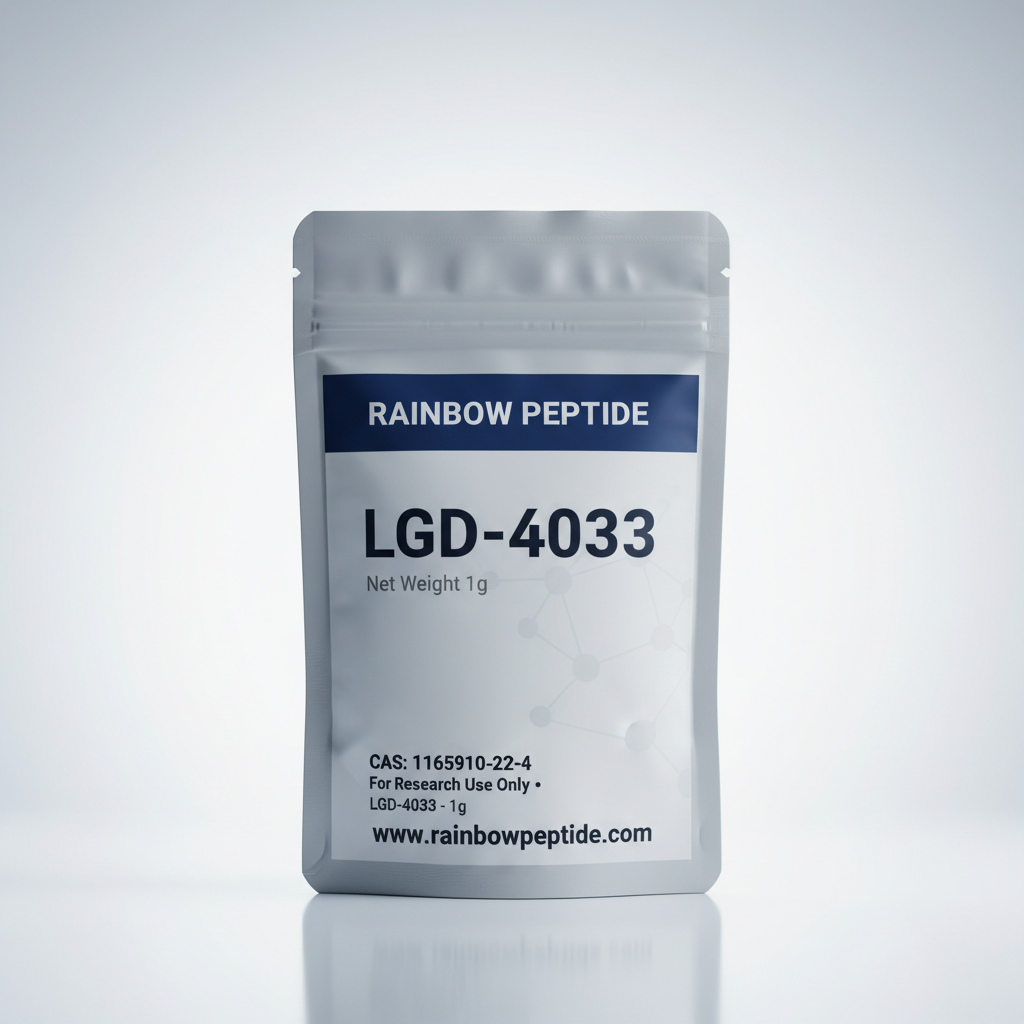
Description
LGD-4033 Powder, Research Overview
LGD-4033 (Ligandrol, VK5211) is a non-steroidal selective androgen receptor modulator developed by Ligand Pharmaceuticals. It is among the most studied SARMs, having progressed through Phase II clinical trials in hip fracture recovery, where it demonstrated significant lean mass gains at low oral doses.
Mechanism of Action
LGD-4033 binds the androgen receptor with high affinity (Ki ~1nM), comparable to testosterone, but with tissue selectivity favouring muscle and bone over prostate and seminal vesicles. It activates AR-dependent transcription of anabolic genes, including IGF-1, follistatin, and myosin heavy chain isoforms, in skeletal muscle. In bone, it promotes osteoblast activity and cortical bone mineral density in ovariectomised rodent models.
Powder Format for Research
Powder format enables precise formulation for pharmacokinetic studies, bioavailability research, and in vitro receptor binding assays. LGD-4033 is readily soluble in DMSO (≥50mg/mL) and ethanol. For oral gavage in rodent studies, it is typically suspended in 1% methylcellulose or PEG400/water solutions at 1–10mg/kg doses.
Clinical Context
The Phase II hip fracture trial (Bhasin et al.) demonstrated 1mg/day LGD-4033 increased lean body mass by ~1.2kg at 12 weeks with no significant change in PSA or haematocrit, establishing a clinical safety reference point for AR selectivity research.
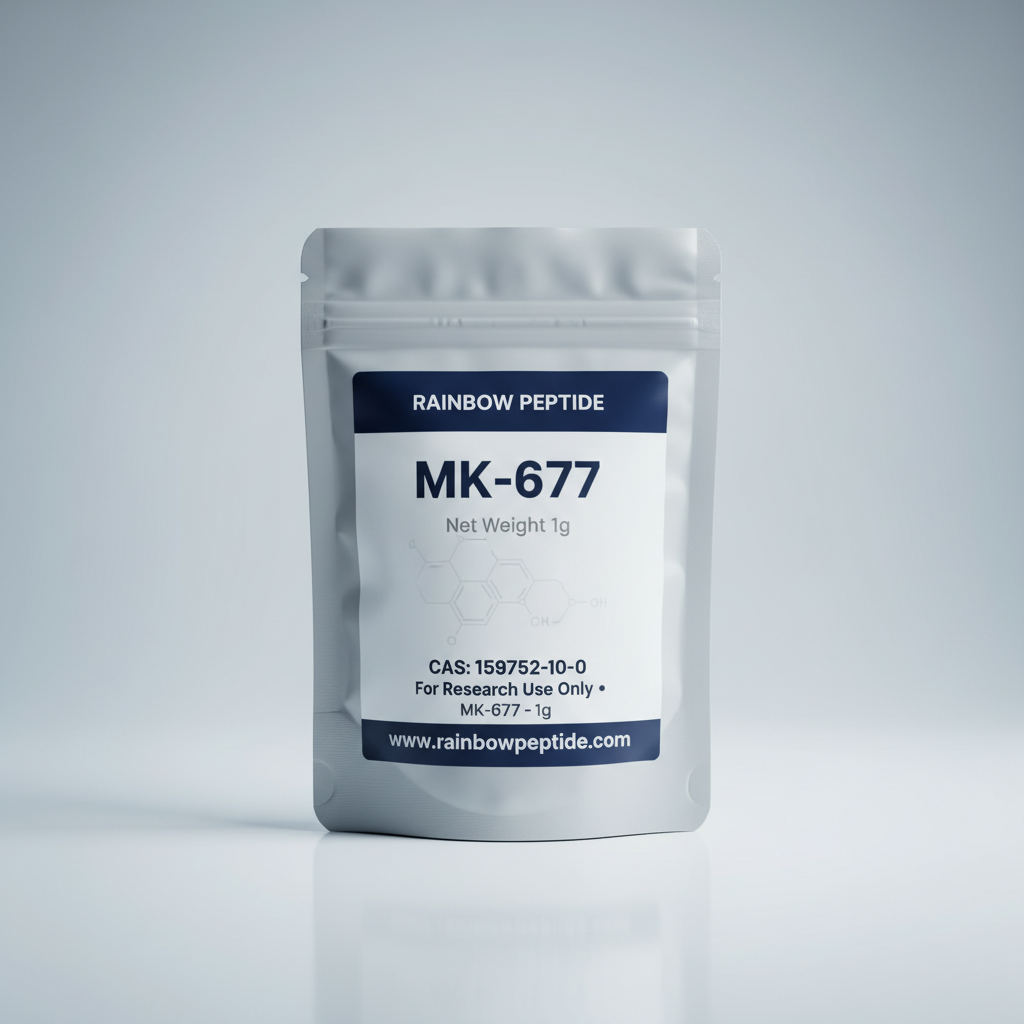
Purity: ≥98% (HPLC verified) | Format: Lyophilised powder | Quantity: 1g
Independent Lab Verification
Rainbow Peptide works with independent, accredited third-party laboratories, including Vanguard Laboratory (ISO 17025:2017-accredited, A2LA Certificate #6377.01.01), to verify compound identity and purity. A Certificate of Analysis is included with every order.
For research use only. Not for human consumption.
Dr. A. Dalton –
LGD-4033 bulk powder for our large-scale SARM comparative research. Purity confirmed >98.8% by HPLC. Powder dissolved cleanly. COA detailed. Ideal for high-volume AR selectivity studies.
S. Fischer –
1g LGD-4033 powder — excellent for bulk research. Purity >98%. COA thorough. Our skeletal muscle AR panel showed consistent results with this lot. Fast delivery.
T. Osei –
Good bulk LGD-4033 powder. Purity >98.4%. Dissolved cleanly. COA comprehensive. Practical format for high-volume SARM research protocols.